


Product Description
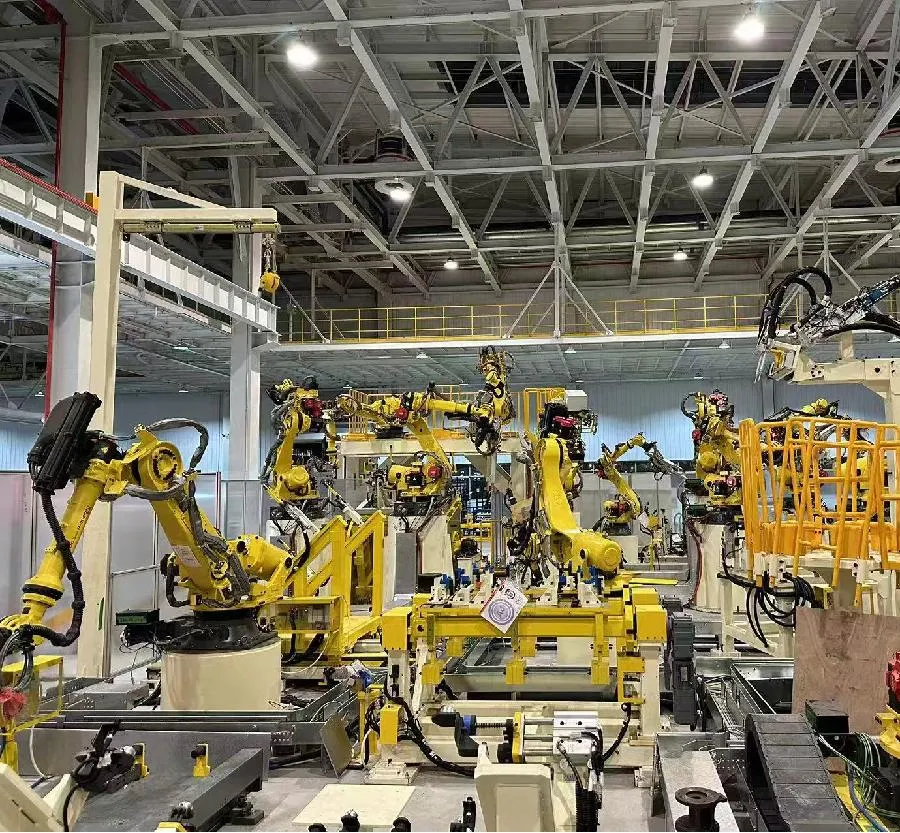
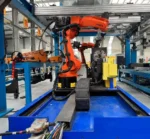
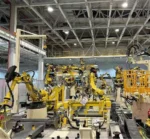
Non-Standard Customization Automatic Production Line Automatic Welding Robot
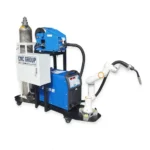
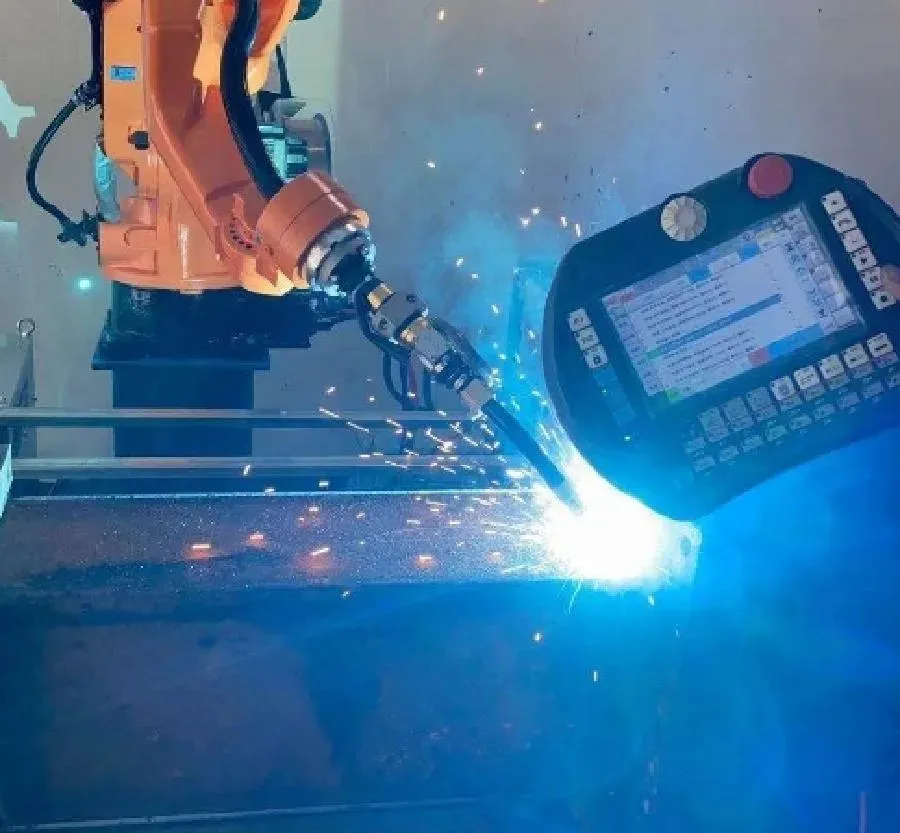
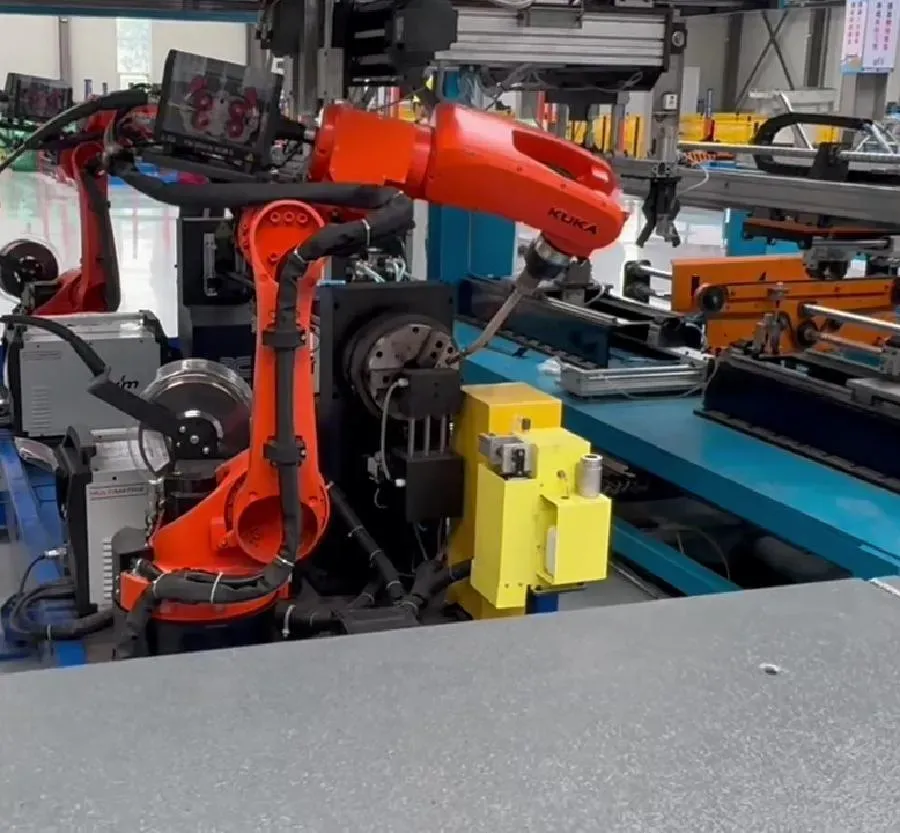
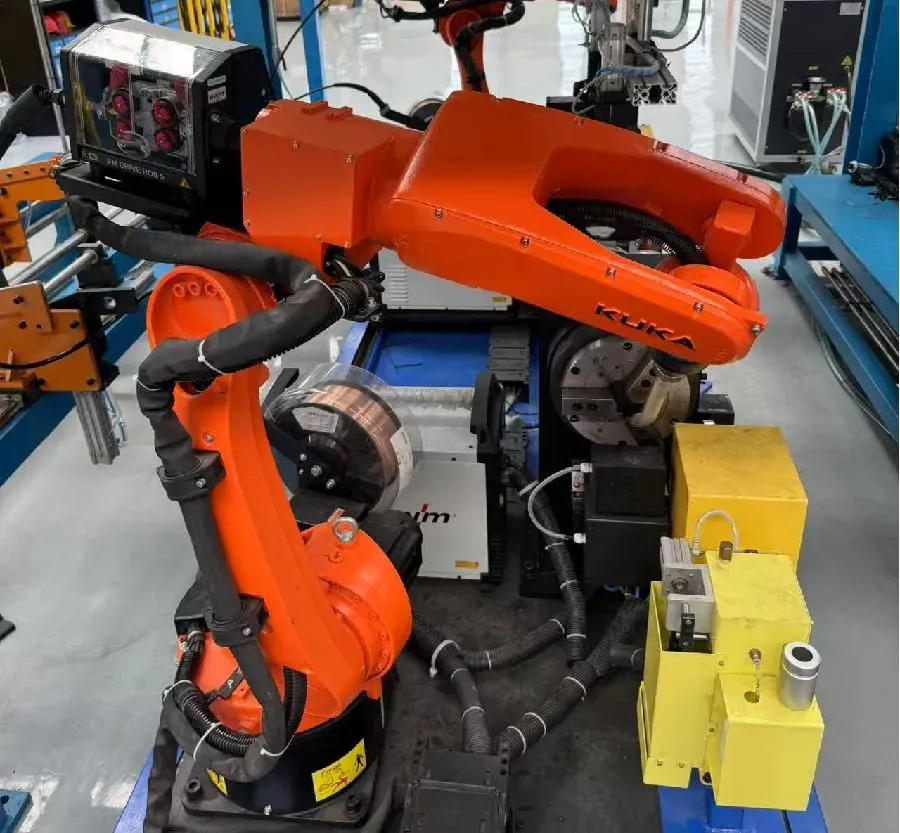
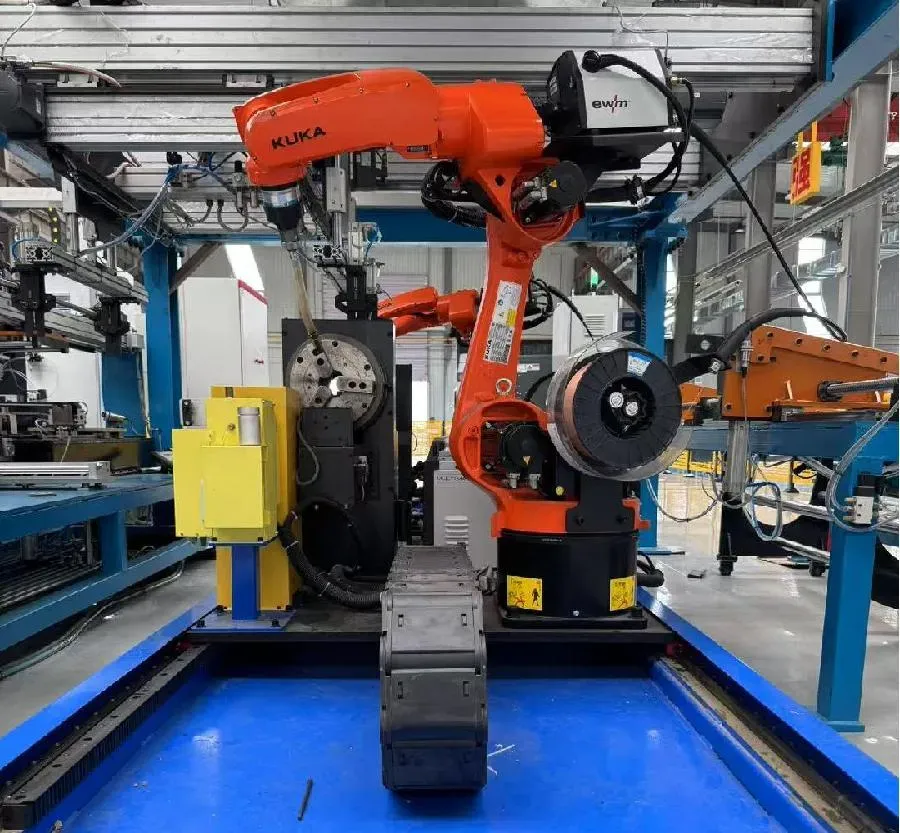
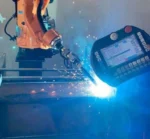
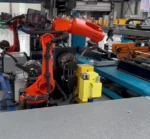
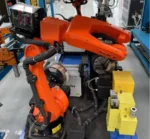
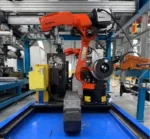
The SAIBON series of fully automatic welding robots is a specialized type of robotic welding equipment. It has a compact design, small size, light weight, and high flexibility. The fully automatic welding machine can perform welding in a confined space, with high welding accuracy, shortened welding cycle, and extended lifespan of pipes and cables.
Specification
TECHNICAL ADVANTAGES:
1. The sensing technology, automatic positioning and assembly work have greatly enhanced the working performance and adaptability of the robots.
2. The weld seam trajectory tracking technology uses laser sensors to achieve weld seam tracking during the welding process, improving the accuracy of welding.
3. The system optimization technology employs AC servo drive technology and high-precision reducers, with a good protection facility system, enabling maintenance-free operation.
4. The multi-agent regulation technology enables the control of the group structure of multiple agents and their communication with each other.
2. The weld seam trajectory tracking technology uses laser sensors to achieve weld seam tracking during the welding process, improving the accuracy of welding.
3. The system optimization technology employs AC servo drive technology and high-precision reducers, with a good protection facility system, enabling maintenance-free operation.
4. The multi-agent regulation technology enables the control of the group structure of multiple agents and their communication with each other.

STRUCTURAL COMPOSITION:
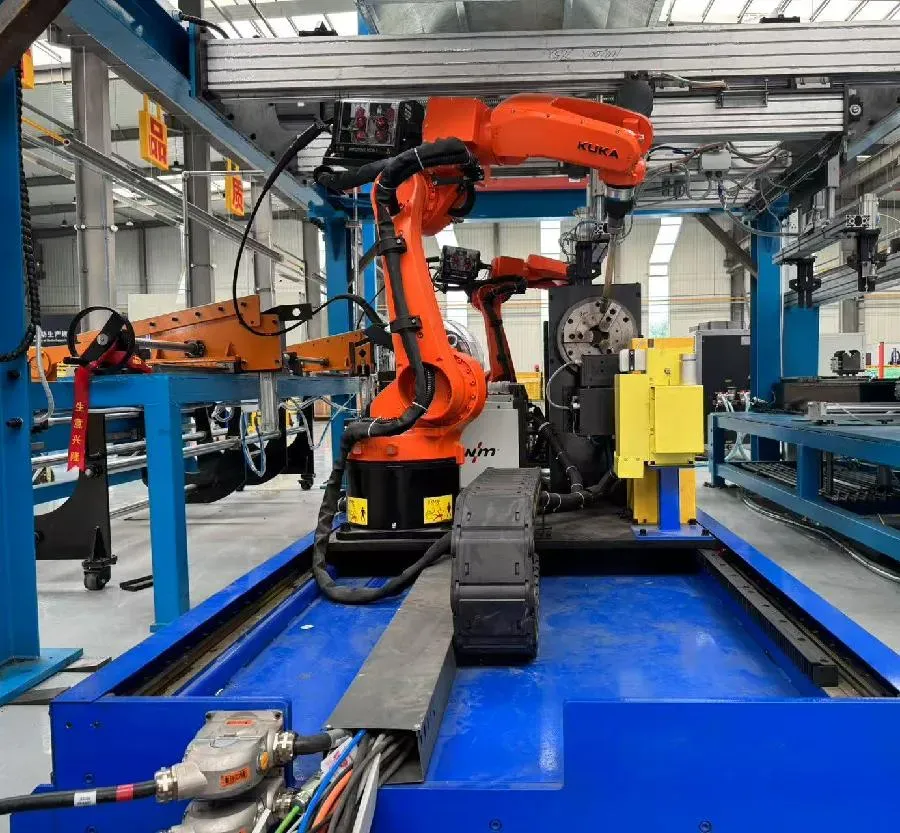
Robot body, control system, teaching device, welding power supply, welding gun, welding fixture, safety protection facilities.
PRODUCT FEATURES:
1. It operates at a fast speed and has wide applicability.
2. It enables the automation of small-batch product welding.
3. It improves welding accuracy and quality, with high stability.
4. The design is highly compact and allows for flexible selection.
5. It improves the working conditions and environment for workers.
6. The product cycle is clear, making it easy to arrange production plans.
7. It enhances labor efficiency and enables continuous operation for 24 hours.
8. It can shorten the product replacement cycle and reduce the corresponding equipment investment.
2. It enables the automation of small-batch product welding.
3. It improves welding accuracy and quality, with high stability.
4. The design is highly compact and allows for flexible selection.
5. It improves the working conditions and environment for workers.
6. The product cycle is clear, making it easy to arrange production plans.
7. It enhances labor efficiency and enables continuous operation for 24 hours.
8. It can shorten the product replacement cycle and reduce the corresponding equipment investment.
OPERATION PROCEDURE:
1. Inspect the inspection equipment, fixtures, etc., and make corresponding records.
2. Connect the power supply of the robot control box, welding machine, etc..
3. Check if the robot has started up completely.
4. Check if the robot door mechanism interlock device is in place, and the normal working door is in a closed state.
5. Check if the air pressure pointer is normal.
6. Connect the servo power supply, and the servo power indicator light will turn on.
7. Install the workpiece on the welding fixture and press to check if it is correct.
8. According to the welding workstation, start the operation on the corresponding control panel.
9. When the robot’s one workstation starts welding, if you want to add the weld piece to the other workstation, wait for the welding work to be completed, and the robot will automatically flip and start.
10. Check the weld seam quality on the workpiece and make corresponding adjustments.
11. After the work is completed, remove the workpiece.
2. Connect the power supply of the robot control box, welding machine, etc..
3. Check if the robot has started up completely.
4. Check if the robot door mechanism interlock device is in place, and the normal working door is in a closed state.
5. Check if the air pressure pointer is normal.
6. Connect the servo power supply, and the servo power indicator light will turn on.
7. Install the workpiece on the welding fixture and press to check if it is correct.
8. According to the welding workstation, start the operation on the corresponding control panel.
9. When the robot’s one workstation starts welding, if you want to add the weld piece to the other workstation, wait for the welding work to be completed, and the robot will automatically flip and start.
10. Check the weld seam quality on the workpiece and make corresponding adjustments.
11. After the work is completed, remove the workpiece.


TECHNICAL PARAMETERS:
|
Wrist rated load
|
10KG
|
|
|
Maximum working radius
|
2018mm
|
|
|
Axis number
|
6
|
|
|
Joint speed
|
J1
|
150°/s
|
|
J2
|
150°/s
|
|
|
J3
|
150°/s
|
|
|
J4
|
150°/s
|
|
|
J5
|
150°/s
|
|
|
J6
|
150°/s
|
|
|
Joint range
|
J1
|
±165°
|
|
J2
|
+155°~-90°
|
|
|
J3
|
+85°~-185°
|
|
|
J4
|
±185°
|
|
|
J5
|
±120°
|
|
|
J6
|
±360°
|
|
|
Joint alllowable torque
|
J4
|
33Nm
|
|
J5
|
23.2Nm
|
|
|
J6
|
7.5Nm
|
|
|
Joint inertia torque
|
J4
|
0.9kgm2
|
|
J5
|
0.5kgm2
|
|
|
J6
|
0.15kgm2
|
|
|
Weight
|
180KG
|
|
|
Repeat positioning accuracy
|
±0.05mm
|
|
|
Ambient temperature
|
0~40ºC
|
|

Reviews
Clear filtersThere are no reviews yet.