
Total Cost of Ownership: Why Cheap Machinery from China Can Cost More in the Long Run

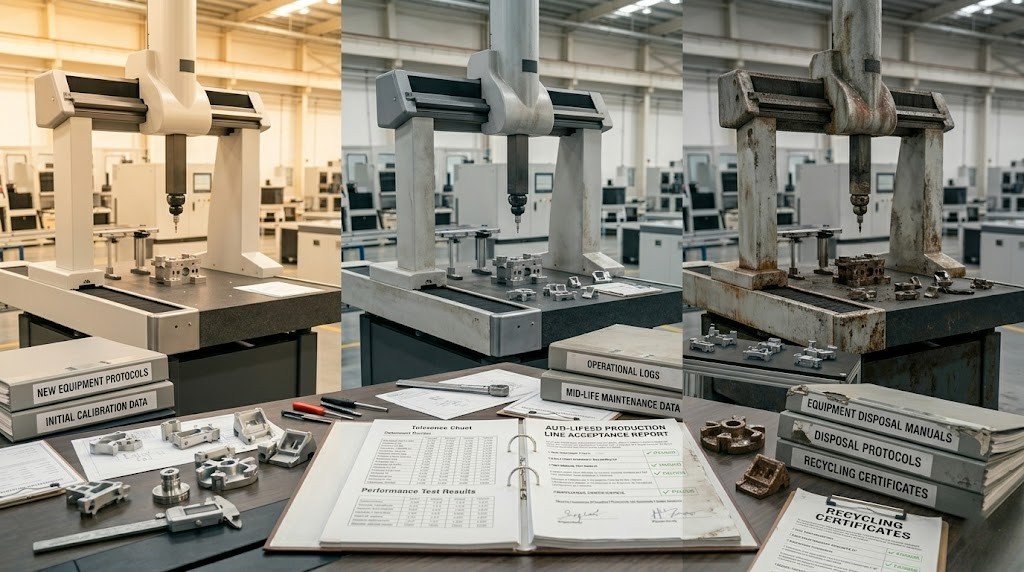
Navigating total cost of ownership for industrial machinery reveals a critical truth: the lowest purchase price rarely delivers the lowest lifetime cost. International buyers who focus exclusively on upfront savings often overlook maintenance expenses, downtime losses, energy consumption, and premature replacement costs that erode initial advantages. This complete TCO guide consolidates every essential cost component, from acquisition to decommissioning, into a single, actionable framework. For procurement managers, finance directors, and factory owners, mastering lifecycle cost analysis is the key to selecting equipment that delivers sustainable value rather than short-term savings.
Machines in China has compiled this guide based on analyzing procurement outcomes across 8 million machinery exports. We believe that informed cost evaluation protects capital and maximizes operational return.
Phase 1: Understanding Total Cost Components
Before evaluating suppliers, establish a comprehensive cost framework:
- Acquisition Costs: Include purchase price, import duties, freight charges, insurance, customs brokerage, and inland transport. These visible costs typically represent only 40 to 60 percent of total lifecycle expenditure for industrial machinery.
- Installation and Commissioning: Factor in foundation preparation, utility connections, calibration, operator training, and initial production validation. Complex equipment may require specialist technicians whose travel and labor costs add significant expense.
- Operating Expenses: Calculate energy consumption, consumable materials, routine maintenance labor, and quality control overhead. High-efficiency equipment often justifies premium pricing through reduced utility costs over its operational life.
- Maintenance and Repair Costs: Project scheduled servicing, wear component replacement, unexpected breakdown repairs, and spare parts inventory carrying costs. Equipment with superior reliability and accessible service networks reduces unplanned downtime expenses.
- Downtime and Productivity Losses: Quantify the financial impact of production stoppages due to equipment failure, maintenance windows, or quality issues. Even brief interruptions can cascade into missed deliveries and customer penalties.
- End-of-Life Considerations: Include decommissioning costs, residual value recovery, environmental disposal fees, and replacement equipment procurement. Equipment with strong resale markets or modular upgrade paths extends value realization.
Phase 2: Hidden Costs in Low-Price Procurement
Identify expenses that inexpensive machinery often conceals:
- Component Quality Trade-offs: Budget equipment may use lower-grade bearings, seals, or electrical components that fail prematurely. Replacement costs and labor for repairs frequently exceed the initial savings from cheaper parts.
- Documentation and Training Gaps: Incomplete manuals or inadequate operator training increase setup time, error rates, and maintenance mistakes. The cost of rework and extended commissioning can surpass the price difference versus better-documented alternatives.
- Compatibility and Integration Challenges: Machinery that does not interface smoothly with existing control systems or facility infrastructure requires custom engineering, adapter components, or process modifications. These integration costs are rarely included in initial quotations.
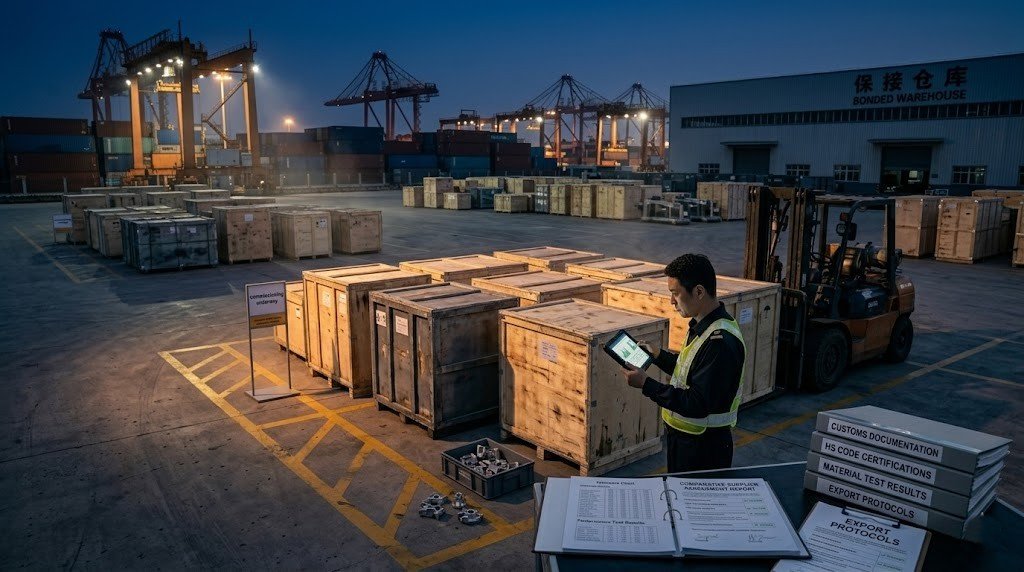
- Regulatory Compliance Shortfalls: Equipment lacking required certifications may need retrofitting, third-party testing, or even replacement to meet destination market standards. Compliance remediation expenses can double the effective acquisition cost.
- Support and Response Limitations: Suppliers with minimal after-sales infrastructure may offer slow response times, limited spare parts availability, or expensive technician dispatch. Production delays while awaiting support represent significant hidden costs.
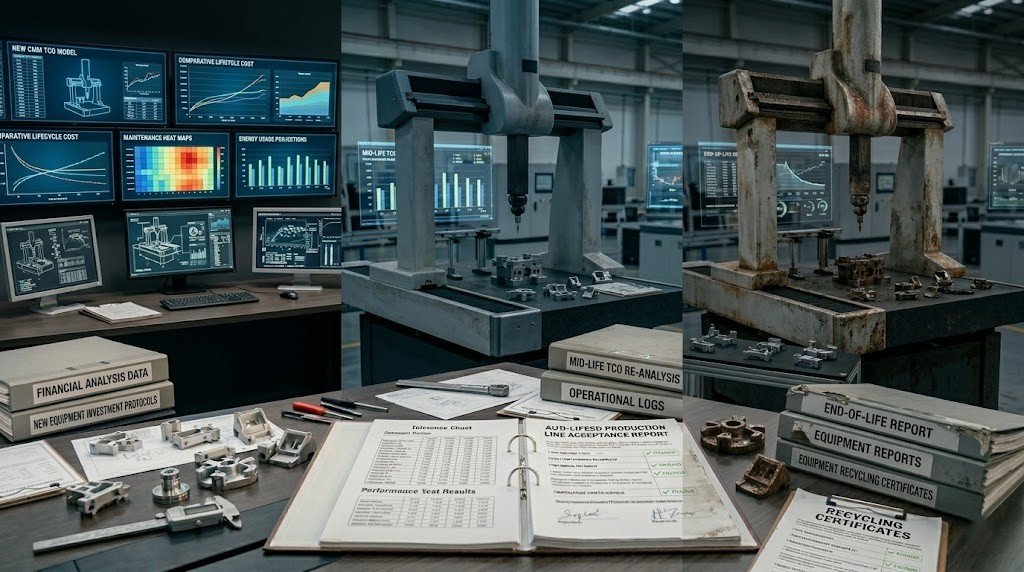
Phase 3: Lifecycle Cost Modeling Framework
Apply systematic analysis to compare equipment options objectively:
- Define Evaluation Period: Establish a consistent time horizon for comparison, typically 10 to 15 years for industrial machinery. This ensures all options are assessed over equivalent operational lifespans.
- Quantify All Cost Categories: Assign monetary values to acquisition, installation, operation, maintenance, downtime, and decommissioning expenses. Use historical data, supplier quotations, and industry benchmarks to inform estimates.
- Apply Discount Rates: Calculate net present value for future costs using appropriate discount rates that reflect your organization’s cost of capital. This enables meaningful comparison of immediate versus deferred expenditures.
- Model Scenario Variations: Test sensitivity to key variables such as energy price fluctuations, maintenance frequency changes, or production volume shifts. Robust decisions withstand reasonable variations in assumptions.
- Document Assumptions Transparently: Record all inputs, sources, and methodologies used in your TCO model. Transparent documentation supports stakeholder alignment and facilitates model updates as conditions evolve.
Phase 4: Strategic Sourcing for Long-Term Value
Align procurement decisions with lifecycle cost optimization:
- Prioritize Reliability Metrics: Evaluate mean time between failures, warranty claim rates, and customer satisfaction scores alongside purchase price. Equipment with proven reliability often delivers lower total cost despite higher initial investment.
- Assess Support Infrastructure: Verify spare parts availability, technician response times, and remote support capabilities in your region. Strong post-sale support reduces downtime costs and extends equipment productivity.
- Negotiate Lifecycle Terms: Include maintenance packages, spare parts pricing guarantees, and upgrade pathways in your procurement contracts. Long-term agreements can lock in favorable conditions that protect against future cost escalation.
- Consider Modular and Upgradeable Designs: Equipment that accommodates capacity expansions, technology updates, or application changes without complete replacement extends value realization and defers major capital expenditures.
- Evaluate Energy Efficiency Premiums: Calculate payback periods for high-efficiency motors, drives, or process optimizations. Energy savings often justify premium pricing within 2 to 5 years of operation.
Critical Success Factors
To ensure TCO analysis delivers actionable insights, remember:
- Use Consistent Methodology: Apply identical cost categories, time horizons, and discount rates when comparing equipment options. Inconsistent frameworks produce misleading conclusions.
- Validate Assumptions with Data: Ground cost estimates in historical performance, supplier documentation, or industry benchmarks rather than intuition. Data-driven models support confident decisions.
- Engage Cross-Functional Input: Include operations, maintenance, finance, and procurement perspectives in TCO development. Diverse expertise identifies cost factors that single-department analysis may overlook.
- Update Models Regularly: Revisit TCO calculations as equipment ages, operating conditions change, or new cost data becomes available. Dynamic modeling supports ongoing optimization.
- Communicate Findings Clearly: Present TCO results in accessible formats that highlight key drivers and trade-offs. Clear communication enables informed decision-making across organizational levels.
Common Pitfalls and How to Avoid Them
Understanding frequent mistakes helps buyers implement preventive measures:
- Overemphasizing Purchase Price: Focusing exclusively on acquisition cost ignores larger lifecycle expenses. Always evaluate total cost, not just initial outlay.
- Underestimating Downtime Impact: Production stoppages carry hidden costs including missed deliveries, expedited shipping, and customer penalties. Quantify downtime consequences realistically.
- Ignoring Energy Consumption Variations: Equipment with higher efficiency ratings may cost more upfront but save significantly on utility expenses. Include energy costs in your comparison.
- Assuming Uniform Maintenance Requirements: Different equipment designs require varying levels of servicing. Research maintenance schedules and labor requirements before finalizing selections.
- Neglecting End-of-Life Value: Equipment with strong residual markets or upgrade paths extends value realization. Consider decommissioning and replacement costs in your analysis.
The Role of Data in TCO Analysis
Leverage information systems to enhance cost modeling accuracy:
- Historical Performance Databases: Maintain records of equipment reliability, maintenance frequency, and repair costs to inform future procurement decisions. Institutional knowledge reduces estimation uncertainty.
- Real-Time Monitoring Systems: IoT-enabled equipment provides actual energy consumption, utilization rates, and performance metrics that refine TCO projections. Live data replaces assumptions with evidence.
- Benchmarking Platforms: Industry databases offer comparative cost data across equipment categories, suppliers, and regions. External benchmarks validate internal estimates and identify outliers.
- Predictive Analytics Tools: Machine learning models forecast maintenance needs, failure probabilities, and lifecycle costs based on operational patterns. Advanced analytics enhance decision precision.
When implementing data systems, prioritize integration capabilities, data security, and user accessibility to ensure adoption and ongoing value.
Conclusion
This complete guide to total cost of ownership for industrial machinery underscores one truth: sustainable value emerges from comprehensive cost evaluation, not narrow price focus. By analyzing acquisition, operation, maintenance, and decommissioning expenses across the equipment lifecycle, international buyers can select machinery that delivers long-term operational advantage. Cheap equipment often proves expensive; quality equipment often proves economical.
Machines in China is committed to being your trusted partner in value-based procurement, providing lifecycle cost analysis, supplier verification, and quality assurance to protect your investment at every stage. The opportunity to access high-performance Chinese machinery is vast. The path to selecting economically intelligent equipment is clear. Welcome to confident, strategic industrial equipment investment.
Website: https://machines-in-china.com Email: sales@machines-in-china.com