
After-Sales Support for Imported Machinery: Building a Spare Parts and Maintenance Strategy

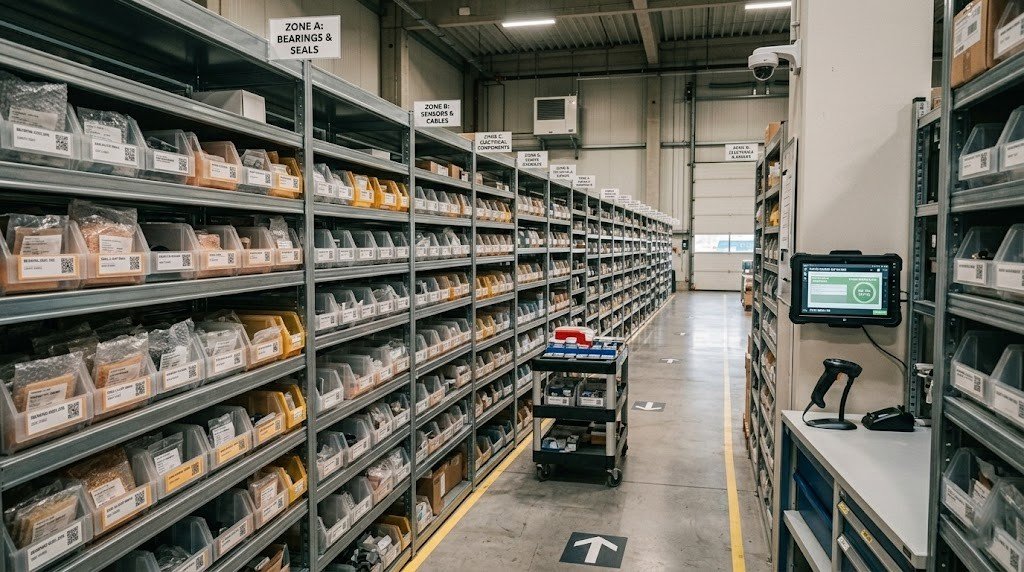
Navigating after-sales support for imported industrial machinery is the most overlooked yet critical factor in protecting long-term production continuity. Equipment performance degrades without proper maintenance, and unexpected breakdowns can halt entire production lines. This complete support strategy guide consolidates every essential element, from spare parts planning to remote diagnostics, into a single, actionable framework. For operations managers, maintenance directors, and factory owners, mastering post-deployment support is the key to maximizing equipment lifespan, minimizing downtime costs, and ensuring sustainable operational return on investment.
Machines in China has compiled this guide based on coordinating after-sales support for over 8 million machinery exports across 126 countries. We believe that proactive maintenance planning protects capital and enables production resilience.

Phase 1: Pre-Procurement Support Planning
Before finalizing equipment purchase, establish the foundation for effective after-sales support:
- Warranty Terms Clarification: Define coverage scope, duration, exclusions, and claim procedures in writing. Standard industrial machinery warranties range from 12 to 24 months from shipment or commissioning. Ensure the warranty covers defects in materials and workmanship under normal operating conditions.
- Spare Parts Strategy Development: Request a comprehensive spare parts list with pricing, recommended inventory levels, and lead times for critical components. Prioritize items with high wear rates, long procurement lead times, or single-source dependencies.
- Technical Documentation Requirements: Specify operation manuals, maintenance guides, electrical schematics, and troubleshooting procedures in your required language. Well-documented equipment reduces training time and enables faster issue resolution.
- Support Channel Definition: Confirm available support methods including phone, email, video consultation, and on-site technician dispatch. Clarify response time commitments for different issue severities.
- Training Program Integration: Include operator and maintenance technician training in your procurement scope. Effective training reduces user errors, extends equipment life, and enables basic troubleshooting without external support.
Phase 2: Commissioning and Initial Support
Ensure smooth equipment deployment and early-stage operational stability:
- Installation Supervision Coordination: Arrange for supplier or third-party technician support during equipment installation, calibration, and initial production runs. On-site expertise prevents setup errors that can cause premature wear or performance issues.
- Performance Baseline Documentation: Record initial operational metrics including cycle times, energy consumption, output quality, and vibration signatures. Baseline data enables future performance comparison and early anomaly detection.
- Operator Training Execution: Conduct structured training sessions covering safe operation, routine maintenance procedures, basic troubleshooting, and emergency protocols. Document attendance and competency assessments for future reference.
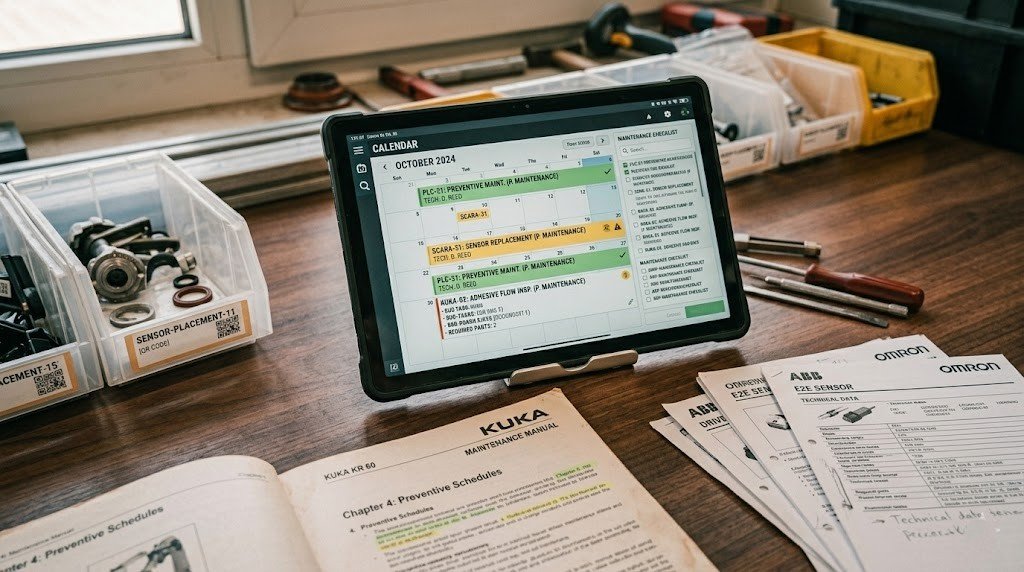
- Maintenance Schedule Establishment: Develop a preventive maintenance calendar based on manufacturer recommendations and your production intensity. Include daily checks, weekly inspections, monthly servicing, and annual overhauls with clear task assignments.
- Support Contact Protocol Activation: Confirm primary and backup contact channels for technical assistance. Test communication pathways to ensure responsiveness before issues arise.
Phase 3: Ongoing Maintenance and Support Management
Implement systematic processes to sustain equipment performance over time:
- Preventive Maintenance Execution: Follow the established maintenance schedule rigorously. Document all servicing activities including parts replaced, adjustments made, and observations recorded. Consistent preventive maintenance reduces unexpected failures and extends equipment life.
- Spare Parts Inventory Management: Maintain optimal stock levels of critical components based on usage rates, lead times, and failure consequences. Use inventory management software to track consumption, trigger reorders, and minimize carrying costs.
- Performance Monitoring and Analytics: Leverage equipment sensors and control system data to track operational metrics in real time. Establish alert thresholds for parameters such as temperature, vibration, and cycle time deviations to enable proactive intervention.
- Issue Documentation and Resolution Tracking: Log all maintenance requests, troubleshooting steps, and resolution outcomes. This historical record supports pattern recognition, supplier performance evaluation, and continuous improvement of support processes.
- Support Relationship Nurturing: Maintain regular communication with your equipment supplier even during trouble-free periods. Share performance feedback, request technical updates, and discuss upcoming maintenance needs to strengthen the support partnership.
Phase 4: Long-Term Support Strategy Evolution
Adapt your support approach as equipment ages and operational requirements change:
- Lifecycle Cost Review: Periodically reassess maintenance expenses, downtime costs, and performance degradation against replacement economics. Data-driven reviews support optimal timing for equipment refresh decisions.
- Technology Update Assessment: Evaluate opportunities for software upgrades, component retrofits, or capability expansions that extend equipment value without full replacement. Modular systems often accommodate incremental improvements.
- Support Provider Evaluation: Review supplier responsiveness, spare parts availability, and technical expertise annually. Changing support partners may be warranted if performance declines or your requirements evolve.
- Knowledge Transfer and Succession Planning: Document institutional knowledge about equipment maintenance, troubleshooting, and optimization. Cross-train team members to ensure support continuity despite staff changes.
- End-of-Life Planning: Develop decommissioning protocols, residual value recovery strategies, and environmental disposal compliance procedures well before equipment retirement. Proactive planning minimizes disruption during transition.
Critical Success Factors
To ensure after-sales support delivers sustained equipment performance, remember:
- Plan Before Purchase: Define support expectations, spare parts requirements, and training needs during procurement negotiations. Post-purchase support planning is reactive and often inadequate.
- Document Everything: Maintain comprehensive records of maintenance activities, performance metrics, and support interactions. Documentation enables pattern recognition, supplier accountability, and continuous improvement.
- Prioritize Preventive Actions: Scheduled maintenance prevents unexpected failures. Allocate resources consistently to preventive tasks rather than reacting only to breakdowns.
- Build Redundancy into Critical Systems: For equipment essential to production continuity, maintain backup components, cross-trained personnel, and alternative support channels to minimize single points of failure.
- Review and Adapt Regularly: Operational requirements and equipment conditions evolve. Reassess support strategies periodically to ensure alignment with current needs and future goals.
Common Pitfalls and How to Avoid Them
Understanding frequent mistakes helps buyers implement preventive measures:
- Underestimating Spare Parts Lead Times: Critical components sourced internationally may require weeks for delivery. Maintain safety stock for items with long procurement cycles to avoid production delays.
- Overlooking Training Quality: Inadequate operator or technician training increases error rates and maintenance mistakes. Invest in thorough, hands-on training with competency verification.
- Neglecting Performance Baselines: Without initial operational metrics, detecting gradual performance degradation becomes difficult. Document baseline data during commissioning for future comparison.
- Assuming Uniform Support Quality: Supplier responsiveness may vary by region, equipment type, or contract terms. Verify local support capabilities and response commitments before relying on them.
- Delaying End-of-Life Planning: Waiting until equipment fails to consider replacement options creates production disruption. Develop transition plans proactively based on lifecycle cost analysis.
The Role of Sourcing Partners in Support Strategy
Experienced procurement partners add strategic value to after-sales support planning:
- Supplier Vetting for Support Capability: Independent evaluators assess not only equipment quality but also after-sales infrastructure, spare parts networks, and technical support responsiveness before recommending suppliers.
- Contract Negotiation Expertise: Professional partners help structure warranty terms, spare parts pricing guarantees, and support response commitments that protect buyer interests throughout the equipment lifecycle.
- Local Support Network Development: Sourcing partners with regional presence can facilitate connections to qualified service technicians, spare parts distributors, and training providers in your market.
- Performance Monitoring and Advocacy: Ongoing partners track supplier support performance, advocate for timely issue resolution, and provide objective feedback to drive continuous improvement.
When engaging sourcing partners for support strategy, provide clear operational requirements, maintain open communication about maintenance challenges, and leverage their regional expertise to validate support capabilities.
Conclusion
This complete guide to after-sales support for imported machinery underscores one truth: sustainable equipment performance emerges from proactive planning, not reactive fixes. By establishing clear support expectations, implementing systematic maintenance processes, and adapting strategies over time, international buyers can maximize equipment lifespan, minimize downtime costs, and protect their capital investment. After-sales support is not an optional extra; it is an essential component of total cost of ownership and operational resilience.
Machines in China is committed to being your trusted partner in after-sales support coordination, providing spare parts sourcing, technical consultation, and maintenance planning to protect your equipment investment at every stage. The opportunity to access high-performance Chinese machinery is vast. The path to sustained operational excellence is clear. Welcome to confident, proactive industrial equipment stewardship.
Website: https://machines-in-china.com Email: sales@machines-in-china.com