
Payment Terms and Financial Security in Chinese Machinery Procurement: LC, TT, and Escrow Options

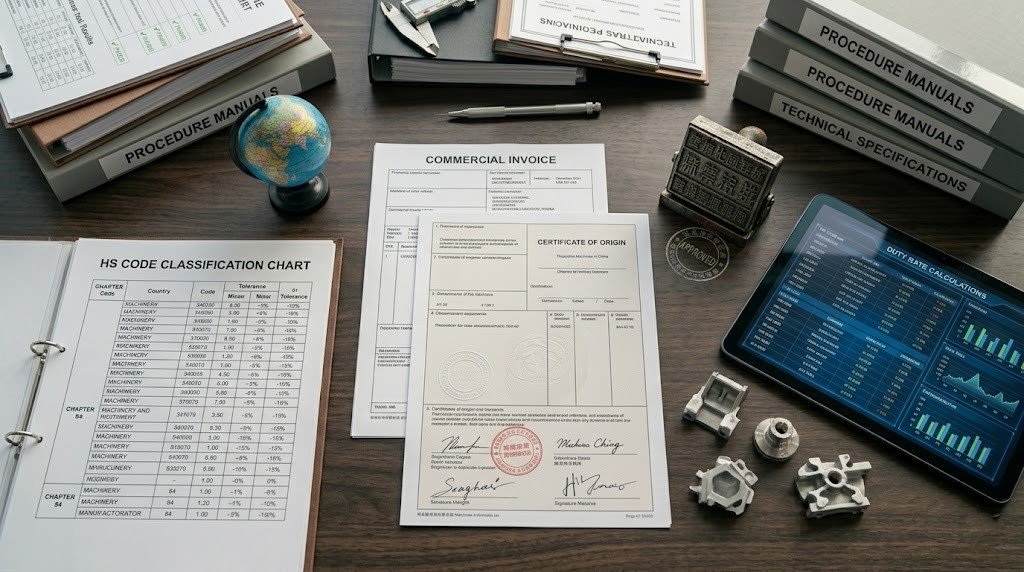
Navigating payment security for industrial machinery imports is a critical competency for any business sourcing equipment from China. The payment structure you select determines financial risk exposure, cash flow impact, and dispute resolution pathways. Choosing the wrong instrument can result in capital loss, delayed shipments, or protracted legal conflicts. This complete payment security guide consolidates every essential element, from letter of credit fundamentals to escrow service evaluation, into a single, actionable framework. For procurement directors, finance managers, and factory owners, mastering these financial protocols is the key to protecting capital while enabling efficient cross-border machinery procurement.
Machines in China has compiled this guide based on facilitating over 8 million machinery exports with secure payment structures across 126 countries. We believe that informed financial decisions protect investment and enable operational continuity.
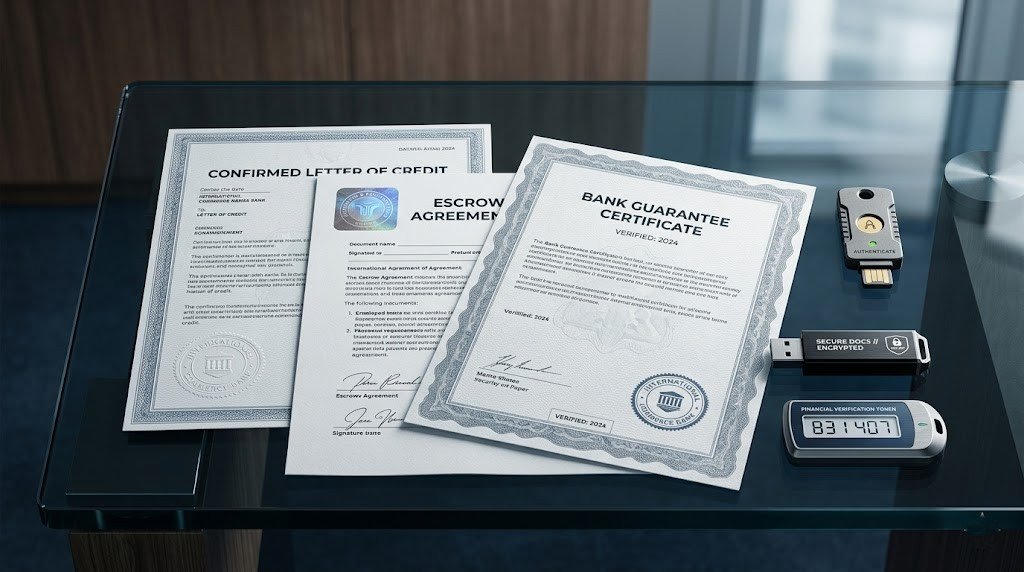
Phase 1: Understanding Payment Instrument Fundamentals
Before negotiating commercial terms, build essential knowledge of financial security mechanisms:
- Letter of Credit (LC) Basics: An LC is a bank guarantee that payment will be made upon presentation of compliant shipping documents. Irrevocable LCs cannot be modified without consent from all parties. Confirmed LCs add a second bank guarantee, typically from a bank in the buyer’s country, providing additional security.
- Telegraphic Transfer (TT) Structures: TT payments involve direct bank transfers. Common structures include 30 percent deposit upon order confirmation and 70 percent balance before shipment or against copy of shipping documents. TT offers speed but requires trust or supplemental safeguards.
- Escrow Service Mechanics: Escrow providers hold funds until predefined conditions are met, such as successful pre-shipment inspection or delivery confirmation. Reputable escrow services verify document authenticity and release funds only upon mutual agreement or neutral arbitration.
- Open Account Terms: Payment after delivery or on net terms. Rarely advisable for first-time international machinery transactions due to significant buyer or seller risk depending on direction.
- Hybrid Payment Structures: Combining instruments such as LC for the balance with TT for the deposit, or escrow with performance bonds, can balance security with operational flexibility.
Phase 2: Evaluating Payment Options by Transaction Profile
Match payment instruments to your specific procurement scenario:
First-Time Supplier Relationships
- Recommended: Confirmed Irrevocable Letter of Credit
- Rationale: Provides maximum security for both parties. The seller receives bank assurance of payment upon compliant document presentation. The buyer ensures funds are not released until shipping documents verify equipment has been dispatched.
- Implementation Steps: Engage a bank experienced in trade finance. Specify Incoterms, required documents, inspection certificates, and shipment deadlines in the LC application. Allow 5 to 10 business days for LC issuance and advising.
- Cost Considerations: LC fees typically range from 0.5 to 2 percent of transaction value depending on bank, complexity, and confirmation requirements. Factor these costs into your procurement budget.
Established Supplier Relationships
- Recommended: Structured Telegraphic Transfer with Milestone Triggers
- Rationale: Reduces banking fees and administrative complexity while maintaining reasonable security through staged payments tied to verifiable milestones.
- Implementation Steps: Define clear milestones such as order confirmation, production completion, pre-shipment inspection approval, and bill of lading issuance. Link payment releases to documented evidence at each stage.
- Cost Considerations: TT fees are minimal, typically 20 to 50 USD per transfer. The primary cost is operational: managing milestone verification and maintaining communication discipline.
High-Value or Complex Transactions
- Recommended: Escrow Service with Performance Bond
- Rationale: Provides neutral third-party oversight for complex deals involving customization, extended production timelines, or significant capital exposure.
- Implementation Steps: Select an escrow provider experienced in industrial equipment transactions. Define release conditions precisely, including inspection criteria, documentation requirements, and dispute resolution procedures. Consider requiring the supplier to post a performance bond as additional security.
- Cost Considerations: Escrow fees typically range from 1 to 3 percent of transaction value. Performance bonds may cost 2 to 5 percent annually of the bonded amount. Evaluate these costs against the risk mitigation value provided.
Urgent or Small-Value Transactions
- Recommended: TT with Supplier Credit Insurance
- Rationale: Balances speed with protection for transactions where banking formalities would cause unacceptable delays or where transaction size does not justify complex instruments.
- Implementation Steps: Purchase export credit insurance through providers such as Euler Hermes, Atradius, or national export credit agencies. Verify coverage terms, exclusions, and claims procedures before proceeding.
- Cost Considerations: Credit insurance premiums typically range from 0.5 to 2 percent of insured value depending on buyer creditworthiness, destination country risk, and coverage scope.
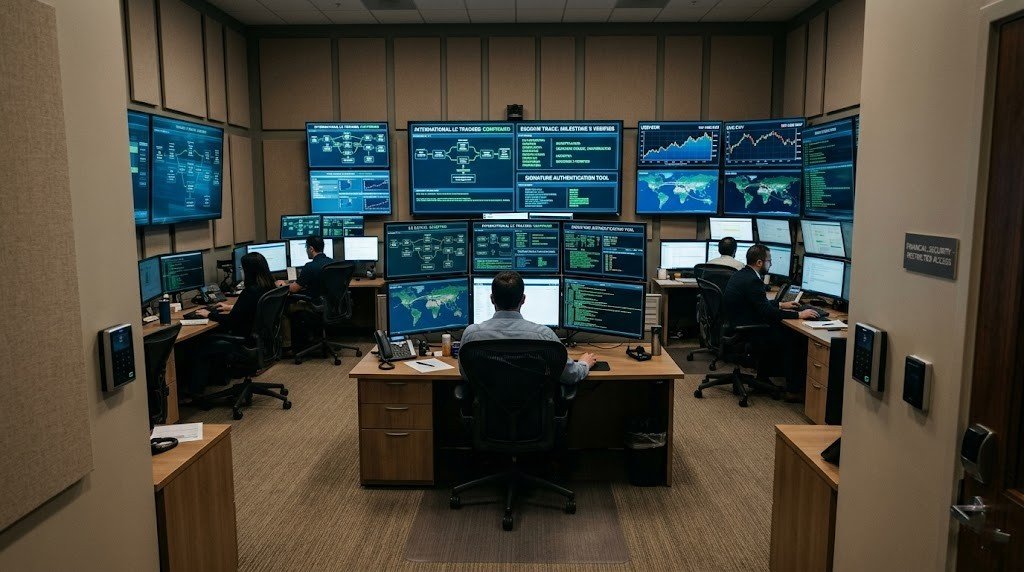
Phase 3: Implementing Secure Payment Protocols
Apply systematic procedures to protect your machinery investment:
- Bank Selection and Relationship Management: Engage financial institutions with proven trade finance expertise and strong correspondent banking networks. Verify their experience with Chinese exporters and familiarity with relevant Incoterms and documentation requirements.
- Document Specification Precision: Define required documents explicitly in payment instruments. Include commercial invoice, packing list, bill of lading, certificate of origin, quality inspection certificate, and any destination-market compliance certificates. Ambiguity invites disputes.
- Inspection Certificate Integration: Link payment release to independent quality verification. Require inspection reports from recognized agencies such as SGS, Bureau Veritas, or Intertek as a condition for balance payment or LC document presentation.
- Currency and Exchange Rate Management: Specify transaction currency clearly and consider hedging strategies for large or long-lead transactions. Exchange rate volatility can significantly impact effective cost if not managed proactively.
- Dispute Resolution Pathways: Include clear procedures for handling document discrepancies, quality disputes, or delivery delays. Specify governing law, arbitration venue, and escalation timelines to avoid protracted conflicts.
Phase 4: Risk Mitigation and Contingency Planning
Prepare for potential payment challenges with proactive strategies:
- Fraud Prevention Protocols: Verify bank account details through multiple independent channels before initiating transfers. Use secure communication methods for financial instructions. Be wary of last-minute changes to payment details.
- Document Authentication Procedures: Confirm the legitimacy of bank instruments through direct verification with issuing institutions. Use SWIFT codes, bank reference numbers, and official contact channels rather than relying solely on provided documentation.
- Contingency Funding Arrangements: Maintain access to alternative financing sources in case primary payment instruments encounter delays. Lines of credit or trade finance facilities provide flexibility when unexpected issues arise.
- Legal Counsel Engagement: Consult attorneys experienced in international trade law when structuring high-value transactions. Professional guidance helps identify jurisdictional risks, enforceability concerns, and optimal contract terms.
- Insurance Coverage Alignment: Ensure that payment security instruments align with cargo insurance, credit insurance, and warranty coverage. Integrated risk management prevents gaps that could expose your investment.
Critical Success Factors
To ensure payment security delivers protected capital and smooth transactions, remember:
- Match Instrument to Risk Profile: Select payment terms that align with supplier relationship maturity, transaction value, and your organization’s risk tolerance. One size does not fit all.
- Specify Conditions Explicitly: Ambiguity in payment instruments invites disputes. Define document requirements, inspection criteria, and release conditions with precision.
- Verify Independently: Confirm bank details, document authenticity, and inspection results through direct channels rather than relying solely on counterparty representations.
- Plan for Contingencies: Unexpected issues arise in international trade. Maintain alternative funding sources, legal counsel access, and escalation pathways to address challenges efficiently.
- Document Everything: Maintain comprehensive records of communications, submissions, approvals, and deviations. Detailed documentation supports dispute resolution and process improvement.
Common Pitfalls and How to Avoid Them
Understanding frequent mistakes helps buyers implement preventive measures:
- Assuming LC Guarantees Quality: Letters of credit verify document compliance, not equipment quality. Always link payment to independent inspection certificates to ensure specification adherence.
- Overlooking Currency Risk: Exchange rate fluctuations can significantly impact effective cost. Consider hedging strategies or currency clauses for large or long-lead transactions.
- Neglecting Bank Fees and Timing: LC issuance, amendment, and negotiation fees add to transaction cost. Allow sufficient time for bank processing to avoid shipment delays.
- Accepting Vague Dispute Terms: Ambiguous conflict resolution procedures lead to protracted disagreements. Specify governing law, arbitration venue, and escalation timelines explicitly.
- Skipping Independent Verification: Relying solely on supplier-provided documentation increases fraud risk. Use direct bank verification, third-party inspection, and secure communication channels.

The Role of Financial Partners in Payment Security
Experienced trade finance providers add strategic value to payment instrument selection:
- Instrument Expertise: Banks and escrow providers understand the nuances of LC structures, TT safeguards, and hybrid options. Their guidance helps match instruments to transaction profiles.
- Global Network Access: Established financial institutions maintain correspondent banking relationships and local market knowledge that facilitate smooth cross-border transactions.
- Risk Assessment Support: Professional partners evaluate counterparty creditworthiness, destination country risk, and transaction complexity to recommend appropriate security levels.
- Dispute Resolution Facilitation: Experienced providers offer mediation services, document verification protocols, and escalation pathways that resolve conflicts efficiently.
When engaging financial partners, provide complete transaction details early, clarify your risk tolerance and budget constraints, and maintain open communication throughout the payment lifecycle.
Conclusion
This complete guide to payment terms and financial security in Chinese machinery procurement underscores one truth: protected capital enables confident investment. By understanding letter of credit mechanics, telegraphic transfer structures, escrow service options, and risk mitigation strategies, international buyers can structure payments that balance security with operational efficiency. Financial security is not an obstacle; it is an enabler of sustainable cross-border trade when approached with knowledge and the right partners.
Machines in China is committed to being your trusted partner in payment security coordination, providing financial instrument guidance, bank relationship support, and transaction oversight to protect your capital at every stage. The opportunity to access high-performance Chinese machinery is vast. The path to secure, efficient payment is clear. Welcome to confident, protected industrial equipment procurement.
Website: https://machines-in-china.com Email: sales@machines-in-china.com