
Industrial Robotics from China: Evaluating Quality, Precision, and Integration Capabilities

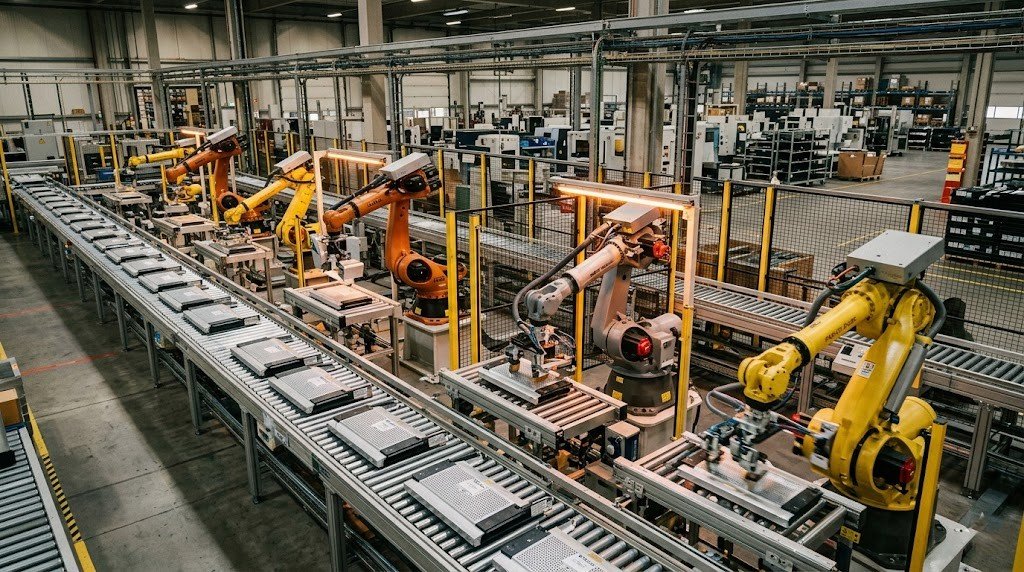
Navigating industrial robotics procurement from China requires a nuanced understanding of precision engineering, control system architecture, and integration readiness. Chinese robotics manufacturers now offer compelling alternatives to traditional Japanese and European suppliers, but quality consistency and technical support vary significantly between providers. This complete robotics evaluation guide consolidates every critical element, from repeatability testing to IIoT connectivity, into a single, actionable framework. For automation engineers, production managers, and factory investors, mastering these evaluation criteria is the key to selecting robotic systems that deliver reliable performance and sustainable operational value.
Machines in China has compiled this guide based on facilitating robotics exports to 126 countries and evaluating over 200 Chinese automation suppliers. We believe that verified precision drives production excellence.
Phase 1: Technical Capability Assessment
Before evaluating commercial terms, establish objective performance criteria:
- Repeatability and Accuracy Specifications: Compare positional repeatability values across suppliers. High-performance industrial robots typically achieve ±0.02mm to ±0.05mm repeatability. Request certified test reports from independent metrology labs rather than relying solely on manufacturer claims.
- Payload and Reach Validation: Verify that rated payload capacities account for end-effector weight and dynamic forces during acceleration. Confirm reach envelopes match your application requirements with appropriate safety margins for tooling and workspace constraints.
- Control System Architecture: Evaluate PLC compatibility, programming environments, and communication protocols. Leading Chinese robotics suppliers now support EtherCAT, PROFINET, and OPC UA for seamless integration with global automation ecosystems.
- Cycle Time and Throughput Analysis: Assess actual cycle times under production conditions rather than idealized laboratory settings. Request video evidence or arrange live demonstrations to verify performance claims.
- Safety Certification Coverage: Confirm compliance with ISO 10218 for industrial robots and ISO/TS 15066 for collaborative applications. Ensure equipment meets the regulatory requirements of your destination market without costly retrofitting.
Phase 2: Integration Readiness and Compatibility
Evaluate how well robotic systems interface with your existing infrastructure:
- End-Effector Interface Standards: Verify compatibility with common tooling mounts such as ISO 9409-1 or supplier-specific quick-change systems. Standardized interfaces reduce integration complexity and enable flexible reconfiguration.
- Vision System Integration: Assess native support for machine vision platforms including Cognex, Keyence, or open-source alternatives. Robotic systems with built-in vision coordination simplify pick-and-place, inspection, and guidance applications.
- PLC and HMI Communication: Confirm seamless data exchange with your facility’s control architecture. Robots should support standard fieldbus protocols and provide clear tag mapping for straightforward programming.
- Simulation and Offline Programming: Evaluate availability of digital twin capabilities and offline programming tools. Systems that support virtual commissioning reduce on-site debugging time and production disruption during deployment.
- Cybersecurity and Network Protection: Verify that robotic controllers include security features such as user authentication, encrypted communications, and audit logging. Industrial robotics increasingly connect to enterprise networks, making cybersecurity a critical consideration.
Phase 3: Quality Verification and Performance Validation
Apply systematic testing to confirm robotic system reliability:
- Factory Acceptance Testing Protocol: Define comprehensive test procedures including repeatability verification, payload testing, emergency stop validation, and communication stress testing. Witness testing in person or via live video before approving shipment.
- Component Traceability Documentation: Request material certificates and supplier declarations for critical components such as servo motors, reducers, and controllers. Traceability supports warranty claims and facilitates targeted maintenance.
- Environmental Stress Testing: Verify performance under expected operating conditions including temperature ranges, humidity levels, and electrical supply variations. Equipment validated for your facility environment reduces commissioning surprises.
- Long-Duration Reliability Assessment: Request data from extended runtime tests that reveal wear patterns, thermal behavior, and control system stability over thousands of operating cycles.
- Software Version and Update Management: Confirm that controller firmware matches specified versions and that update procedures are documented. Consistent software baselines simplify troubleshooting and support coordination.

Phase 4: Support Infrastructure and Lifecycle Planning
Evaluate post-deployment support as a critical component of robotics investment:
- Technical Documentation Quality: Review operation manuals, programming guides, and maintenance procedures for clarity, completeness, and language availability. Well-documented systems reduce training time and troubleshooting complexity.
- Remote Diagnostics and Support: Assess availability of cloud-based monitoring, remote troubleshooting, and software update services. Responsive remote support minimizes downtime when on-site technician dispatch is not immediately feasible.
- Spare Parts Strategy and Availability: Compare consumable pricing, wear component lead times, and regional inventory locations. Suppliers with local spare parts warehouses reduce maintenance delays and production interruptions.
- Training Program Depth and Delivery: Evaluate operator certification courses, maintenance technician training, and advanced programming workshops. Flexible delivery options including on-site, virtual, or regional center training accommodate diverse learning needs.
- Upgrade Pathways and Technology Refresh: Assess the supplier’s roadmap for controller updates, software enhancements, and hardware expansions. Systems designed for incremental upgrades extend value realization and defer major replacement investments.
Critical Success Factors
To ensure robotics procurement delivers sustainable value, remember:
- Define Application Requirements Precisely: Vague specifications lead to mismatched solutions. Document payload needs, cycle time targets, workspace constraints, and integration interfaces before engaging suppliers.
- Validate Performance with Evidence: Request certified test reports, video demonstrations, or live trials to verify capability claims. Objective evidence reduces procurement risk.
- Plan for Integration Complexity: Robotic systems must interface with existing equipment, control networks, and facility infrastructure. Prioritize suppliers with proven integration experience in your industry.
- Budget for Total Lifecycle Cost: Purchase price represents only one component of robotics investment. Include installation, programming, maintenance, and upgrade expenses in your comparison framework.
- Build in Flexibility for Change: Production requirements evolve. Select robotic partners whose systems accommodate new products, volumes, or processes without complete replacement.

Common Evaluation Pitfalls and How to Avoid Them
Understanding frequent mistakes helps buyers implement preventive measures:
- Overlooking Dynamic Performance: Static specifications may not reflect real-world behavior under acceleration, payload variation, or thermal conditions. Request dynamic testing data.
- Underestimating Programming Complexity: User-friendly interfaces matter for long-term operational flexibility. Evaluate programming tools and simulation capabilities before selection.
- Ignoring Compatibility with Legacy Systems: New robotics must integrate with existing PLCs, HMIs, and material handling equipment. Verify communication protocols and interface standards early.
- Assuming Uniform Support Quality: Supplier reputation varies by region and application. Validate local support capabilities, spare parts availability, and response time commitments for your specific location.
- Neglecting Cybersecurity Requirements: Connected robotics introduce network security considerations. Ensure controllers include authentication, encryption, and audit capabilities aligned with your facility policies.
The Role of Sourcing Partners in Robotics Evaluation
Experienced procurement partners add strategic value to robotics supplier selection:
- Objective Technical Benchmarking: Independent evaluators apply consistent performance criteria across suppliers, reducing bias toward familiar brands or marketing claims.
- Factory Verification Expertise: On-site audits assess actual production capabilities, quality systems, and integration support beyond website presentations or trade show demonstrations.
- Integration Risk Mitigation: Sourcing partners with automation experience help identify compatibility issues, interface requirements, and commissioning challenges before contracts are signed.
- Lifecycle Cost Analysis Support: Professional partners assist in modeling total cost of ownership including installation, programming, maintenance, and upgrade expenses to inform value-based decisions.
When engaging sourcing partners, provide clear application requirements, maintain open communication about integration constraints, and leverage their technical expertise to validate supplier capabilities.
Conclusion
This complete guide to industrial robotics from China underscores one truth: successful automation investment emerges from systematic evaluation, not brand preference or price focus alone. By applying rigorous technical assessment, integration planning, and lifecycle cost analysis, international buyers can select robotic systems that deliver reliable performance and sustainable operational advantage. Chinese robotics manufacturers now offer compelling capabilities for diverse applications when paired with thorough verification and strategic sourcing.
Machines in China is committed to being your trusted partner in robotics procurement, providing technical evaluation, factory verification, and integration support to protect your automation investment at every stage. The opportunity to access advanced robotic systems from China is vast. The path to selecting precision-ready automation is clear. Welcome to confident, strategic industrial robotics investment.
Website: https://machines-in-china.com Email: sales@machines-in-china.com