
How to Source Industrial Machinery from China: A Complete Procurement Guide


Navigating the Chinese industrial machinery export landscape offers international buyers access to world-class manufacturing technology at competitive valuations, but it demands a rigorous, structured approach. This complete procurement guide consolidates every critical element, from supplier verification and quality control to export logistics and payment security, into a single, actionable roadmap. For factory owners, procurement managers, and industrial investors, understanding the full lifecycle of a machinery sourcing transaction is the key to unlocking a resilient, cost-effective supply chain that bypasses traditional market inefficiencies.
Machines in China has compiled this guide based on over a decade of operational excellence, facilitating the export of more than 8 million industrial machines to 126 countries. We believe that informed buyers are secure buyers.

Phase 1: Pre-Engagement and Due Diligence
Before a single quotation is requested, lay the foundation for a successful procurement:
- Market Intelligence: Understand China’s industrial manufacturing landscape, regional specializations, and regulatory environment. Engage local consultants or trusted sourcing partners for real-time insights on factory capabilities and export compliance.
- Supplier Vetting: Verify potential manufacturers against official business licenses, ISO certifications, and export credentials. Check their production capacity, quality management systems, and track record with international clients.
- Technical Specification Development: Define your machinery requirements in detail, including production capacity, power specifications, voltage standards, compliance certifications, and facility constraints. Clear specifications prevent costly misunderstandings later.
- Compliance Alignment: Ensure your internal procurement policies align with international trade standards and destination market requirements. Prepare your corporate documentation for efficient communication with suppliers.
Phase 2: Structuring the Commercial Agreement
Define the commercial and legal framework for your machinery procurement:
- Request for Quotation (RFQ): Submit a comprehensive RFQ specifying technical requirements, delivery timelines, quality standards, and after-sales support expectations.
- Quotation Analysis: Review supplier quotations carefully, comparing not only price but also technical specifications, component brands, warranty terms, and included services.
- Factory Audit and Verification: Conduct on-site or third-party audits to verify production capabilities, quality control processes, and financial stability before committing to an order.
- Contract Negotiation: Execute a robust Sales Agreement with clear terms on payment schedule, delivery timeline, performance guarantees, warranty coverage, and dispute resolution. Consider neutral governing law for international contracts.
- Payment Structure: Establish secure payment terms. Standard practice is 30 percent deposit upon order confirmation and 70 percent balance before shipment or against shipping documents. Consider letters of credit or escrow services for high-value orders.
Phase 3: Production Monitoring and Quality Assurance
The physical creation and verification of your machinery:
- Design Review and Approval: Confirm all technical drawings, component selections, and customization requirements before production begins. Document approvals formally.
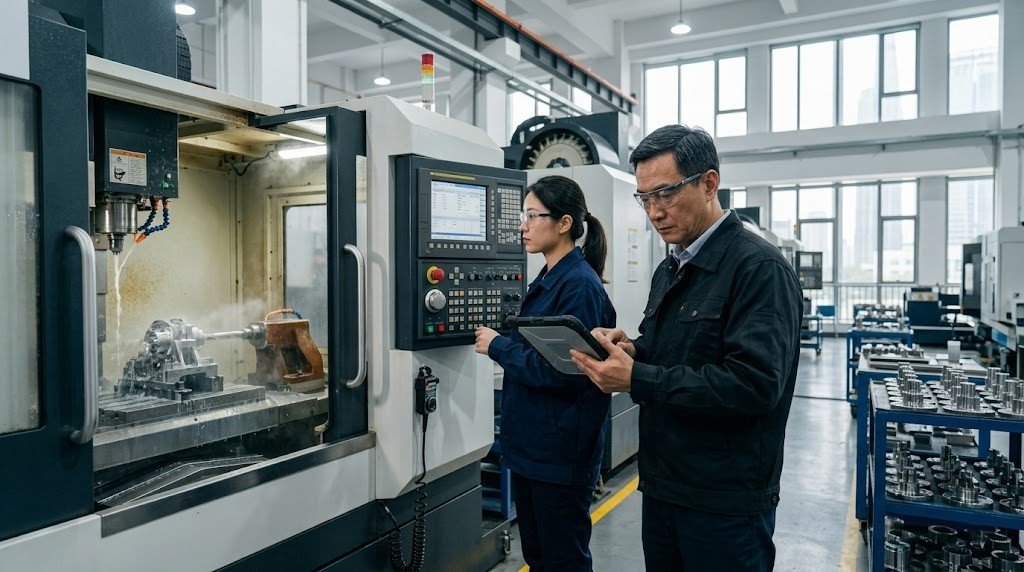
- In-Process Inspections: Schedule quality checks at critical manufacturing milestones, including material receipt, sub-assembly completion, and final assembly.
- Pre-Shipment Inspection: Conduct comprehensive performance testing under load conditions to verify specifications, dimensional accuracy, and operational stability. Never approve shipment without satisfactory inspection results.
- Documentation Verification: Ensure all required documentation is complete and accurate, including operation manuals, electrical schematics, compliance certificates, and spare parts lists.
Phase 4: Export Logistics and Delivery Coordination
Finalizing the physical movement of your machinery:
- Packaging and Crating: Verify that equipment is properly secured, protected against moisture, and crated to international shipping standards. Inspect packaging before shipment authorization.
- Freight Coordination: Select experienced freight forwarders specializing in heavy equipment transport. Confirm Incoterms, insurance coverage, and real-time tracking arrangements.
- Export Documentation: Ensure all required documents are prepared accurately, including commercial invoice, packing list, bill of lading, certificate of origin, and compliance certificates.
- Customs Clearance Support: Coordinate with customs brokers in your destination country to facilitate smooth import clearance. Provide all required documentation in advance to minimize delays.
- Delivery and Installation: Arrange inland transport from port to your facility. Coordinate installation support, operator training, and commissioning assistance as agreed in your contract.
Critical Success Factors
To thrive in sourcing industrial machinery from China, remember:
- Verification is Essential: Demand verifiable credentials, factory audits, and performance testing. Never rely solely on marketing claims or website presentations.
- Patience Protects Investment: Rushing supplier selection or skipping quality checks leads to costly problems. Allow time for proper due diligence at every stage.
- Local Expertise Adds Value: Having a trusted sourcing partner like Machines in China bridges the cultural, linguistic, and logistical gaps that often challenge foreign buyers.
- Risk Management is Non-Negotiable: Always verify quality before payment, always insure shipments, and always maintain clear communication channels throughout the procurement lifecycle.
Conclusion
This complete guide to sourcing industrial machinery from China underscores one truth: success lies in preparation, verification, and partnership. By following this structured roadmap, you transform the perceived complexities of international procurement into a strategic advantage, securing direct access to high-quality, cost-competitive industrial equipment. Machines in China is committed to being your trusted guide through every step of this journey, ensuring that your entry into the Chinese machinery market is not just successful, but sustainable. The opportunity is vast. The path is clear. Welcome to efficient, reliable industrial equipment sourcing.
Website: https://machines-in-china.com Email: sales@machines-in-china.com